6 worst foods for people with breathing problems

6 worst foods for people with breathing problems

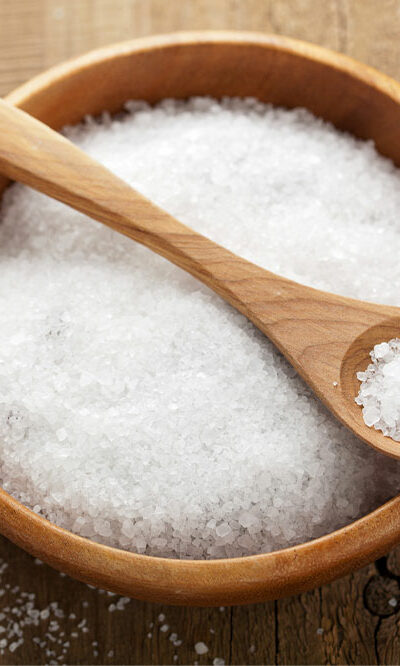
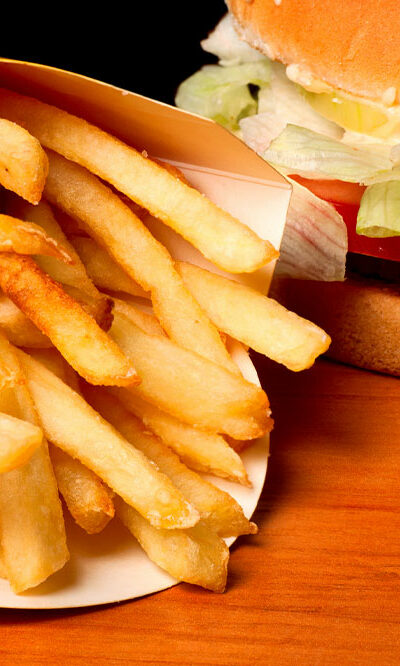
Leading a regular life becomes quite challenging when one faces breathing troubles sporadically. Breath-related issues, such as shortness of breath, coughing, wheezing, and pain or pressure in the chest are usually symptoms of lung diseases like MAC disease and COPD. Certain foods we regularly eat can negatively affect our lungs and exacerbate breathing problems. So, this article lists some common foods one must avoid to ease breathing issues and control MAC disease and COPD symptoms. 1. Fried foods Fried foods, such as French fries, fried chicken, and potato chips, are among the unhealthiest foods anyone can eat. These foods can cause gas and bloating, making breathing more difficult in those suffering from breath-related conditions. Fried foods, being calorie-dense, can also lead to weight gain, which increases pressure on the lungs. 2. Salty foods Too much salt spells more trouble when you’re suffering from breathing problems. That’s because salt, or sodium, can cause fluid retention in the body, triggering high blood pressure and shortness of breath. Steer clear of various high-salt foods like canned soup, pasta sauce, and tortilla chips, and replace salt with spices and herbs in dinner recipes. 3. Processed meats Ham, hot dogs, sausages, and other processed meats are usually loaded with nitrates to improve color and prolong shelf life. Studies have found that nitrates can aggravate symptoms of lung diseases, especially COPD. Besides, processed meats tend to be high in sodium, contributing to breathing problems. 4. Sodas Sodas are infused with carbon dioxide. This can lead to excess gas, bloating, and heartburn, all of which can make it harder to breathe. Additionally, sodas are devoid of essential nutrients and high in sugar and calories, promoting excess weight. One must particularly avoid caffeine-containing sodas, as caffeine increases respiration rate, heart rate, and blood pressure. 5. Dairy Whole milk and other dairy products can aggravate symptoms in those with conditions like MAC disease and COPD.

5 natural ways to strengthen bones

5 natural ways to strengthen bones

Osteoporosis is a condition in which the patient’s bones become brittle and porous. This increases the chances of getting bone fractures and experiencing joint pain. Sometimes bones become so brittle that coughing or bending over causes a fracture. Although osteoporosis does not have a permanent cure, there are ways to manage its symptoms and strengthen weakened bones. Listed in this article are some of the steps that can be taken to promote bone health naturally. Opt for calcium-rich foods Calcium plays an integral part in the maintenance of bone density for osteoporosis patients, which is why it needs to be incorporated in every meal. Dairy products are an ideal source of calcium. However, calcium-fortified food options like cereals, yogurt, juices, and more can be equally resourceful. Include physical activity In our fast-paced lives, physical activity often takes a backseat. This lack of daily physical activity can prove to be a concern, especially for patients with osteoporosis. Strength training or weight-bearing exercises like swimming, walking, running, hiking, and more are recommended by health care professionals. Eat vitamin-rich foods While vitamin D helps the body improve calcium absorption, vitamin K2 ensures that the absorbed calcium is not lost. Both these crucial components can be obtained from food. However, in some cases, osteoporosis patients might need to be prescribed supplements to overcome vitamin D deficiency. Avoid carbonated drinks One of the negative outcomes of sodas and other fizzy beverages is the loss of bone strength. It is believed that the phosphoric acid present in these drinks hinders the body’s absorption of calcium and results in weaker bones and decreased bone density. Limit sugar intake Unchecked sugar consumption can lead to weight gain, decreased bone density, and increased risk of osteoporosis, all of which needs to be avoided in order to promote good bone health.
7 foods one should avoid before bedtime

7 foods one should avoid before bedtime

Finding it hard to sleep at night? Staying away from your phone and reducing psychological stress can help, but these are not enough. You also need to be wise when choosing foods late in the evening and before bedtime. Some foods have ingredients that can induce insomnia and cause tummy troubles, making it hard to sleep well at night. Below, we’ve listed seven such foods you should avoid eating before hitting the sack. Chocolate Post-dinner chocolate cravings are pretty common, but it’s not good when struggling to get proper sleep. Chocolates, especially dark chocolate, contain lots of caffeine, which can prevent you from getting deep, restful sleep. Coffee Talking about caffeine, it’s hard not to mention coffee. A shot of espresso is a go-to late-night drink for many, but it can hurt your objective of sound sleep. Coffee contains very high levels of caffeine, more than dark chocolate. So, it’s best to avoid any type of coffee at least six hours before bedtime. Potato chips Potato chips are fried foods loaded with unhealthy fats. Such foods take long to digest, cause indigestion, and can keep you up at night. Some studies even show that eating lots of fried, greasy foods can cause disturbing dreams. Donuts Donuts are one of the worst foods to eat before sleeping. They’re high in both fat and sugar. Too much sugar can cause a spike in blood glucose and then a sudden crash, disrupting sleep patterns. Digestive issues from excess fats can further make matters worse. Wine A glass or two of wine can indeed make you feel relaxed and even drowsy. But, it can also lower sleep quality. Drinking wine just before going to bed can cause you to wake up in the middle of the night or early in the morning to use the bathroom.
10 mistakes to avoid when purchasing a smartphone

10 mistakes to avoid when purchasing a smartphone

Multiple manufacturers launch new smartphones daily. The vast availability of smartphones may also compel users to buy the device based on impulse. But this way, as a buyer, you may spend a large sum of your money on an inferior phone. And nobody wants to spend their money on a poorly made product. Therefore, in this article, we have listed ten mistakes you must avoid when buying a new smartphone. Getting insufficient storage If you love clicking pictures and recording videos, getting a device with less storage is a bad idea. Not buying the screen protector Not using a screen protector or a bumper case for your new smartphone will increase the risk of damage if it falls. Tying up with a bad carrier service A carrier may offer the best deal on a device. But always check how good their network coverage is in your region. Skipping the protection plan Though a protection plan may seem expensive at the time, you are better off buying it. If your phone breaks in the future, you will pay much less for repairs with a protection plan. Purchasing the incorrect size Smartphones with larger screens are not always better, so you must consider the purpose of your device before investing in it. Trusting in commercials A TV commercial will always highlight the best functions and features. But if you want to know how good the device truly is, we recommend hands-on testing at the store. Buying the most expensive device An expensive smartphone isn’t necessarily the best one. Do your research and find a device suitable for your needs. The same goes for buying a cheap phone that may let you down soon. Upgrading to the latest device Before spending your money on an upgrade, compare your older device with the new one.
4 tips for breast cancer management

4 tips for breast cancer management

Breast cancer occurs when cells in the breast mutate and grow out of control. They grow to form a mass of cancerous cells called a tumor. Breast cancer is one of the most common cancers. Estimates suggest at least 13% women in the country face an increased risk of breast cancer. This is why it is important to be aware of its management. Such tips are listed below along with treatment options and food choices: Treatment options Before discussing management tips, it is important to know some treatment options for breast cancer. AFINITOR® (everolimus) is one such option. It is an mTOR inhibitor. mTOR is a type of protein that provides energy to cells to grow. AFINITOR® stops cancer cells from getting energy since it is an mTOR inhibitor. It is used to treat postmenopausal women that have HER2-negative and advanced hormone receptor-positive breast cancer. Another treatment option is CAR-T cell therapy. Chimeric antigen receptor (CAR) T-cell therapy is a process that helps T-cells specifically recognize and attack malignant or cancerous cells. It is a less toxic treatment method than conventional options like chemotherapy. Eating healthy Consuming healthy foods is an effective cancer management technique. The nutrients and minerals in our food improve the efficacy of medications. The food we eat also protects us from the toxicity caused by cancer treatments. Leafy greens such as spinach, kale, and arugula contain antioxidants like beta carotene, lutein, and zeaxanthin, which are known to reduce the risk of breast cancer recurrence. Citrus fruits like grapefruits, lemon, limes, and tangerine have anti-inflammatory properties that can be beneficial in providing relief from the side effects of cancer treatments. It is best to avoid processed foods like packed meats, chips, and junk food, as they can aggravate the symptoms of breast cancer. Exercise regularly Clinical treatments and having nutritious meals may not be enough for managing breast cancer.
4 foods that weaken the bones

4 foods that weaken the bones

It is no exaggeration to say that, at least biologically, people are what they eat. Bone health, especially, depends heavily on what one consumes. Certain foods, such as milk, soya beans, walnuts, salmon, broccoli, and spinach, strengthen one’s bones and joints. On the flip side, certain foods are terrible for the bones, making them brittle, porous, and vulnerable to damage. Some of the worst foods for the bones are listed here. Salt As much as salt benefits one’s health as a stabilizer and an antibacterial agent, excessive salt consumption saps the calcium from one’s bones over time. For instance, nutritionists believe that one loses approximately 40 milligrams of calcium for every 2,300 milligrams of sodium consumed. Sodium is one of the worst elements possible in this regard. Hence any foods containing it will be detrimental to one’s bone health. Excessive salt is usually found in canned vegetables, frozen meals, canned soup, store-bought baked goods, and other processed and over-packaged edibles. To counter such an excessive intake of salt, one can avoid processed food entirely, consume home-cooked meals, and control their salt content. Coffee Like sodium, caffeine also takes out calcium from all the bones in the body, making them brittle. As per certain research studies, people tend to lose 6 milligrams of calcium from their bones and teeth for every 100 milligrams of caffeine consumed. Coffee contains loads of caffeine, which makes it an avoidable food to keep the bones healthy. If one cannot avoid it entirely, one needs to consume it less frequently or try alternatives such as decaf coffees and tea instead. Cakes/pastries Like caffeine, sugar also harms one’s bones. People who consume too many sugary items such as cakes and pastries may not consume other nutrient-rich food. Instead of such foods, one can consume delicacies such as cranberries, prunes, and other antioxidant-rich items.
4 cancer-causing foods to avoid

4 cancer-causing foods to avoid

Eating certain foods can be hazardous to one’s health. In fact, unhealthy foods, coupled with unhealthy eating schedules, are the primary cause of cancer in a vast majority of individuals with the condition. Now, there are several foods that fall into this category. While each food listed here may contribute to other health hazards, the common thread that connects them is their specific carcinogenic components. Here are the foods that can cause cancer: White bread Refined carbohydrates and refined sugar are directly linked to increasing the risk of cancer in individuals. So, foods such as white bread, white rice, white pasta, baked sweets such as cakes and pastries, and sugar-heavy cereals need to be eaten in moderation or avoided altogether to keep cancer at bay. Refined carbohydrates are chemically stripped of vitamins, minerals, fiber, and other natural components that make them organically healthy. So, foods containing refined carbs and sugars can increase a person’s blood sugar and enhance the possibility of developing colorectal cancer and other malignancies. Farmed salmon Like other farmed fishes, farmed salmon leave consumers vulnerable to cancer if eaten regularly. Such fish are farmed and commercially raised in huge quantities. For preservation, farmers and businesses that farm and sell this kind of fish use a host of pesticides, antibiotics, and antivirals. These chemicals, used to prevent bacterial and parasitic growth in their fishes, have carcinogenic characteristics. Farmed fish does not even contain large quantities of omega-3 fatty acids, the main nourishing element found in non-farmed fish that is useful to fight cancer-causing elements. French fries Deep-fried foods are among the worst from any health-related perspective. Fried foods contain a compound known as acrylamide. Like other fried, starch-heavy foods, French fries also contain massive amounts of this chemical. Several research studies have found that acrylamide has serious carcinogenic properties, damages the DNA in a cell, and can eventually cause its death.
6 exercises for better migraine management

6 exercises for better migraine management

Migraine is a neurological condition identified by recurrent episodes of moderate to severe headaches and differs from regular headaches. Symptoms like sensitivity to sound and light, vomiting, watery eyes, and nausea accompany migraine headaches. While multiple treatment options exist for migraines, there is no known cure. However, it is possible to manage the condition with the help of food and lifestyle changes. Multiple forms of exercise also help in better migraine management. Tai Chi This is a fluent form of martial arts that combines fluid movements and deep breathing and is an effective form of exercise to help with migraine pain. Since stress is a common migraine trigger, it can help patients manage their symptoms. It also effectively reduces blood pressure and improves the patient’s overall health. Pilates Pilates helps strengthen the core muscles, improves body posture, and promotes relaxation. In addition, it can help relax and decrease the frequency and intensity of migraines. This improvement in posture and muscle relaxation may contribute to reducing migraines. Strength training Muscle tension and poor posture can both contribute to the list of migraine triggers. Strength training exercises like resistance band training or weight lifting can help with both problems. Building a strong neck can also help reduce the likelihood of tension headaches by providing better support for the neck and shoulders. Yoga Yoga promotes physical and mental relaxation by combining physical postures, breathing techniques, and meditation. It helps reduce stress levels, reducing the frequency and intensity of migraines. In addition, specific yoga postures can increase blood flow to the brain, relieving the tension in the shoulders and the neck. Since these are some of the most common areas of tension and pain in people with migraine, yoga can be highly effective. Cardiovascular exercises Aerobic activities that are responsible for increasing heart rate and breathing can be of assistance when trying to help lower migraine pain.
7 alarming pain symptoms that shouldn’t be ignored

7 alarming pain symptoms that shouldn’t be ignored

Pain is a natural response of the body that alerts one of potential harm or injury. While some types of pain are normal and can be easily treated with natural or holistic home remedies, there are certain types of pain that may be severe or persistent. These pains may be signs or causes of underlying health conditions that require immediate medical attention. Certain types of pain that one should never ignore are listed below. Chest pain Chest pain can indicate a heart attack or angina- a form of chest pain triggered by reduced blood flow to the heart. Chest pain can also indicate other severe conditions, such as a pulmonary embolism or aortic dissection. Severe headache Common causes of headaches include dehydration, lack of sleep, eye strain, or sinus infection. But when one experiences a severe or sudden headache or headaches accompanied by other symptoms like a stiff neck, vision changes, dizziness, or tingling on one side of the body, it may be a warning sign of underlying health concerns. Usually, severe headaches may result from a head injury, the onset of stroke, meningitis, low blood sugar, or more. Abdominal pain Abdominal pain can indicate various health conditions like appendicitis, ulcerative colitis, or a kidney stone. Therefore, consulting a healthcare professional is advised if one experiences severe or persistent abdominal pain. Back pain Severe or persistent lower back pain can indicate an underlying disease such as kidney stones or kidney infection. The pain can either be dull or sharp and can be accompanied by other symptoms like nausea and painful urination. Unusually painful periods Women who experience severe or abnormally painful periods may feel cramping, sharp pain, or a constant ache in their lower abdomen or back. The pain may accompany heavy bleeding or irregular periods and interfere with daily activities.
6 interesting facts about long-haul flights

6 interesting facts about long-haul flights

A long-haul flight is any non-stop flight that covers a journey time of 6-12 hours. However, after boarding such flights, one might come across many bizarre experiences, such as food tasting worse than normal flights, losing perception of time, and more. But, even after considering these, long-haul flights are still the box of surprises that keeps on giving. Some astonishing facts about long-haul flights that many don’t know are listed below. Food served onboard contains massive amounts of salt In-flight food is known for tasting worse than regular food. At a high altitude, an individual’s senses of taste and smell are weakened. It makes it difficult for passengers to smell or taste the meals served onboard. This effect is significantly amplified on a long-haul flight. To compensate, the meals on such flights contain large amounts of salt, sugar, and extra fat. Besides making the food much more edible, these elements make in-flight food incredibly unhealthy. Increased risk of falling ill Spending large amounts of time on a long-haul flight can make people vulnerable to airborne diseases. Additionally, several research studies have found that long-haul flights negatively affect the immune system. Therefore, people who fly long-distance frequently tend to fall ill more often. Autopilot does about 90% of the flying It may not seem the biggest surprise, but many people will not be aware of it. Trained pilots only involve themselves during the most critical phases of flight, such as landing, taking off, changing directions, and making emergency maneuvers. For example, if a long-haul flight lasts 15 hours, it will likely fly on autopilot for over 10 hours. Easier to get dehydrated The low humidity and dry air circulating inside the cabin of a long-haul flight can cause dehydration in travelers. Therefore, it is always advisable for flyers to keep enough drinking water in stock.
5 common Botox mistakes to avoid for best results

5 common Botox mistakes to avoid for best results

These days, receiving a Botox treatment is easy due to its widespread popularity. It is a quick and pain-free treatment that a dermatologist can administer. Moreover, Botox has several skin and health benefits, such as reducing wrinkles, treating chronic migraines, reducing excessive sweating, and addressing neck spasms. However, one must avoid certain common mistakes before, during, or after the procedure to utilize this treatment’s benefits fully. Some common Botox mistakes to avoid are listed below. Getting a massage after the procedure Getting a massage after undergoing Botox treatment can be harmful. A massage causes the components of Botox to spread to other areas of the skin and unintentionally affects those muscles and tissues. Therefore, undergoing a massage right after Botox can have several undesirable results, such as unwanted stretching or loosening of skin in specific areas. To avoid such issues, it is advised to get a massage at least a week to 10 days after receiving Botox treatment. Exercising on the day of treatment The skin retains an element of sensitivity after Botox. Therefore, health experts advise people undergoing this procedure to avoid exercising for at least three to four hours after the treatment. Exercising involves wear and tear of the skin tissues and muscles. So, working out after Botox can cause long-standing damage to the skin. Health experts also suggest exercising the next day after the skin treatment. Exposure to the sun Another major Botox mistake people make is exposing themselves to the sun or visiting saunas right after the treatment. Sunlight can bring about pigmentation issues in the skin. Similarly, saunas can negatively affect the skin and create long-term skin complications in people. To avoid these issues, dermatologists usually advise people to stay away from the sun or saunas for up to 4 hours after a Botox procedure.
10 surprising things that a home warranty doesn’t cover

10 surprising things that a home warranty doesn’t cover

If you purchased or are planning to purchase a home, you may have wondered what a home warranty covers. A home warranty can save you money when any systems and appliances break down, preserving your home and budget. However, it doesn’t cover every element of your home. Some aspects that a home warranty doesn’t cover, like leaky roofs and cosmetic damage, are listed below. Scroll down to uncover the limitations of a home warranty plan. Walls, doors, and windows A home warranty usually doesn’t cover walls, windows, and doors as they are considered structural elements. However, based on the age of your home, these items will be covered by a homeowners insurance policy or builder’s warranty. Cosmetic damage If the damage, like scratches or dents, is caused by natural wear and tear over time, it is the homeowners’ responsibility, not that of the warranty provider. Pest damage Home warranties are not designed to cover and repair/ replace the damages caused by pest infestations like rodents or termites. Leaking roofs A home warranty doesn’t cover leaking roofs since this is a structural problem. Hot tubs and swimming pools Pools and hot tubs are some things not covered under a home warranty, but certain companies might extend their coverage at an additional price. Sprinkler and septic systems Water-related systems, such as sprinklers and septic systems, are excluded, but a manufacturer or installer can guarantee their protection. Installation of new equipment When you replace a home appliance, it may necessitate structural changes according to new building codes. However, home warranties won’t cover any modifications when installing new replacement equipment. Pre-existing problems Home warranties are unsuitable for systems and appliances with existing issues before you get the coverage. Typically when you sign the Home Warranty Service Agreement, these elements should be in good condition.