5 cities with the highest rates of lung cancer

5 cities with the highest rates of lung cancer

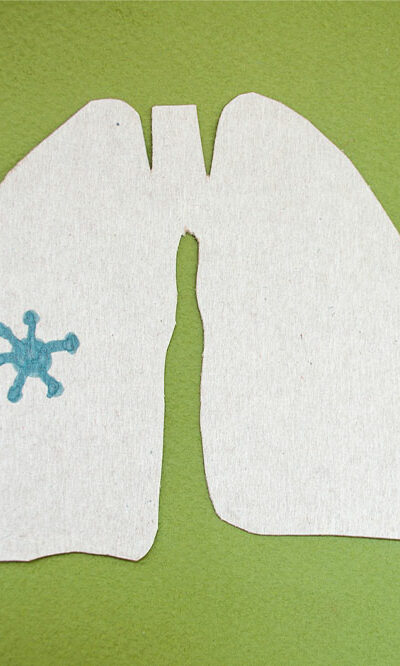
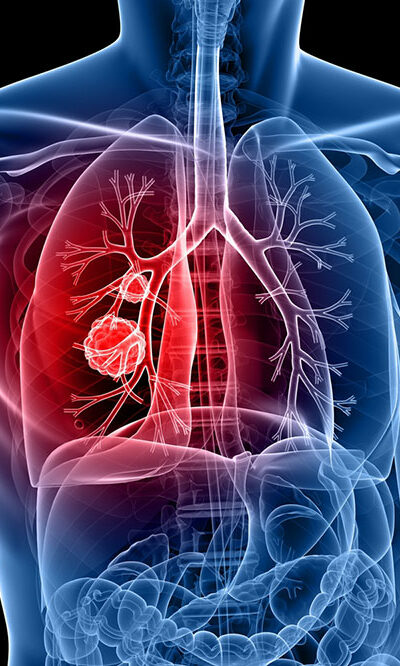
Lung cancer is among the most common causes of cancer-related deaths in our country. While smoking and an unhealthy lifestyle are the major risk factors associated with lung cancer, the disease can also result from breathing poor quality air. Places with a lot of air pollution are therefore known to report more lung cancer cases. In this article, we have listed five cities that have the highest rates of lung cancer. Jefferson County Jefferson County, Kentucky, is one of those places that reports the maximum number of new lung cancer incidents. This city reports approximately 765 new lung cancer cases every year and about 501 lung cancer-related deaths. Marion County Situated in Indiana, Marion County ranks jest below Jefferson County when it comes to lung cancer cases. The county registers approximately 77.2 new cases of lung cancer per 100,000 people every year. It also reports 506 lung cancer deaths per year on average. Cheyenne Cheyenne, Wyoming, was once one of the wealthiest counties of our country and was known for its cattle industry. Today, unfortunately, it ranks among the cities with the most number of cancer patients. The region has a high prevalence of respiratory tract inflammatory diseases, which increases the risk of lung cancer. Besides lung cancer, Cheyenne reports several cases of cancers found in the bronchus, breast, prostate, colon, and rectum. El Paso Also known as the “Six Shooter Capital” of Texas, El Paso is the birthplace of our favorite cocktail, the margarita. Sadly, many people living in El Paso are active smokers and are thus highly susceptible to lung cancer and other respiratory disorders. Other common cancers observed in El Paso are acute myeloid leukemia and cancers of the oral cavity, stomach, liver, kidney, and renal pelvis. Tulsa While people living in Tulsa, Oklahoma, do not indulge in binge drinking, the city fares poorly in terms of smoking.

3 trigger foods that asthma patients should avoid

3 trigger foods that asthma patients should avoid

There are no foods that can be used to exclusively cure asthma. But there are ways to avoid asthma attacks by paying attention to your meals. The onset of an asthma attack can be discomforting and could make the patient conscious in public places. This is why having a rescue inhaler is important during an outdoor trip. Apart from that, here are certain foods that could trigger an attack in some asthma patients. Dried foods, pickled foods, and alcohol These foods are high in sulfites, which may trigger an unpleasant episode of asthma. Besides these foods, alcohol and wine (especially white wine) contain high amounts of sulfites that could be an irritant for asthma patients. Usually, this compound is found in foods and beverages with a long shelf life. This also includes onions and garlic. Teas, coffees, and spicy foods Tea, coffee, and spicy foods contain salicylates. An asthma patient can develop intolerance towards salicylates, regardless of whether it comes from a natural or artificial source. One will have to eliminate certain foods from their daily meals to find out exactly which foods are causing an intolerance. Beans, cabbage, and fried foods These foods can lead to problems caused by excessive bloating. They are known to increase the pressure on the diaphragm, particularly if one suffers from acid reflux. In turn, this may lead to asthma flare-ups and chest tightness. Hence, it’s best to stay away from such foods. Avoiding certain foods can help in alleviating asthma symptoms. But in certain cases, doctors are likely to prescribe medications to help manage the symptoms better. Below listed are some medicines that help manage asthma symptoms. FASENRA (benralizumab) This is a prescription medication administered in the form of a subcutaneous injection. It is used with other asthma medicines to keep the symptoms in check.
5 household factors that contribute to lung damage

5 household factors that contribute to lung damage

Lungs, an integral part of the respiratory system, hold oxygen which is then supplied to the rest of the body through the bloodstream. It is essential to keep the lungs healthy to maintain optimum oxygen intake. However, there can be things in the environment that can trigger lung damage. This article lists five such household factors that can trigger lung damage, which can, in turn, cause diseases. Let’s check them out. Mold Mold is a type of fungus that grows on damp surfaces and corners. It is common in houses with issues of leaking pipes. The fungus releases spores in the air and can trigger a severe reaction in those allergic to mold. The response is relatively severe in people with lung damage and diseases like asthma and COPD. Carpet Carpets add to the allure and warmth of our homes. But there are some other harmful things that they add. Carpets can act as a storage space for dust mites, cockroach droppings, mold, dander, pet hair, and other allergens. These are released back into the air often. As a result, it is advisable to clean and vacuum carpets multiple times a week to ensure they do not work as carriers for lung-damaging components. Flour Baker’s asthma is a common condition among bakery workers. It is caused by the dust and flour particles that saturate the air and are transported with humans as vectors. Those who suffer from this have a difficult time breathing. Baker’s asthma can also be detected in people who live close to bakers, including their family and friends. Candles Candles are made from paraffin, a petroleum-based product. When lit, candles release chemical-fueled fumes into the environment that can trigger allergic reactions in people. This reaction is enhanced in people with pre-existing conditions like COPD, asthma, allergies, and low immunity.
Travel precautions for hemophilia A patients

Travel precautions for hemophilia A patients

Hemophilia is a rare genetic bleeding disorder that affects a fraction of the people in the country. According to the Centre for Disease Control, roughly 12 out of every 100,000 males are diagnosed with hemophilia A. The bleeding is caused by a missing factor VIII protein, responsible for the blood’s clotting function. This inherited disorder is challenging to manage, and one must take the following precautions, especially while traveling with hemophilia A. Consult with a specialist Always consult with a doctor to understand if traveling with hemophilia A is possible in the first place. One should reconsider if the bleeding symptoms are severe. Some vaccinations for hepatitis A and B are recommended for patients who plan to travel. Doctors also provide a travel letter that explains the disorder for security purposes. Only then can airport officials allow prescriptions and care package supplies on board with the passenger. Prepare a precautionary kit Understand that airline baggage restrictions are not applicable for doctor-approved prescriptions and emergency supplies. So, patients can pack everything conveniently into a carry-on bag. However, it is the patient’s responsibility to label and mark all supplies, as there are certain prescriptions or equipment that cannot be exposed to X-ray scanning at the airport. Also, travel delays can happen, so pack enough to ride out any contingencies. Checklist for supplies The regular checklist should include vials of the prescription, a diluent for preparing thin solutions, and a reconstitution device for mixing the factor VIII solution. Other things include disposable syringes, cleaning alcohol, cotton pads, disinfectant, and a container to dispose of all supplies carefully. Doctors may also recommend additional supplies that need to be packed with the emergency kit. The checklist should also contain a list of hemophilia treatment centers (HTC) along the planned route. National and global HTC directories are available online for reference.
3 common mistakes parents must avoid during babycare

3 common mistakes parents must avoid during babycare

Babies bring unimaginable joy and warmth into their parents’ lives. However, raising a baby is just as physically and emotionally draining as rewarding for parents, especially first-timers. All parents make certain mistakes while caring for their babies, no matter how much time they dedicate to their precious bundle of happiness. There’s no shame in making errors during baby care if parents can correct them. Some common mistakes are listed below. Not letting the baby cry it out A common misconception many parents may have about infants, especially newborns, is that their crying translates to hunger, irritation, or pain. Parents tend to believe that their mistakes are making their baby cry. Babies cry because it is just what they do. A baby can be adequately fed and diapered, and they may still cry for no reason. When it comes to newborn babies, crying is a sign of breathing. However, if a baby cries continuously for an hour, then the parents will need to visit their local pediatrician to get them checked for a rash, a swollen belly, a fever, or other health conditions. However, by and large, a crying baby is not a sign of trouble. Ignoring oral care This oversight from parents can become problematic for their child’s oral health later on. Essentially, babies need as much dental and oral care as adults. Therefore, regularly wiping the baby’s gums with a soft cotton cloth after every meal is a must-do for parents. Also, parents must ensure their baby is routinely hydrated to keep their mouth and throat moist. Adjusting diapers too much or too little While putting on a diaper on a baby, the parent must fasten it properly. It is done to secure the diaper around the baby’s body. However, if the diaper is too tight, it will affect blood circulation in the baby’s body.
3 common cleaning mistakes and ways to avoid them

3 common cleaning mistakes and ways to avoid them

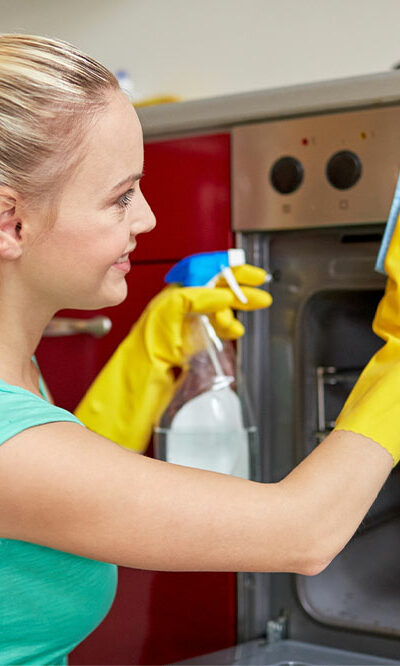
During housecleaning, people mostly follow their normal cleaning routine. Although this routine may seem like second nature, some cleaning habits adapted over the years may do more harm than good. It may also include leaving behind bacteria, grime, and dust that may create more work later and lead to health conditions, worsening allergies, and other health problems. Keep reading to learn about some common cleaning mistakes to stay away from. Mistakes to avoid while cleaning In most cases, the goal of the cleaning routine is to finish the task as soon as possible and move on to more critical chores. However, this could lead to a few mistakes that make the house dirtier. Some such common mistakes are listed below. Usage of dirty cleaning tools A cleaning routine is only as good as the cleaning tools one uses. Hence, using the right tools and ensuring they are clean is important. It may help avoid spreading bacteria, dust, and dirt throughout the house. Therefore, to avoid such mistakes, one must regularly wash the cleaning cloth, scrub brushes, and mop heads after every use. Furthermore, one can also sanitize germy items such as toilet brushes and empty the vacuum for optimum cleaning. Not pre-soaking the utensils If one leaves pots and pans on the stovetop while eating, it may lead to cheese and sauces setting into the skillet. Furthermore, one may have to rigorously scrub the utensils to remove the baked-on food and other condiments. Hence, experts suggest transferring the foods from the pots and pans to other utensils once cooked and soaking the utensils in warm soapy water during mealtime. However, if one uses aluminum utensils, one must first let the utensil cool down, as cold water could potentially warp a hot aluminum pan. Rubbing on stubborn stains In most cases, spills and splatters necessitate immediate attention to avoid the set-in of stubborn stains.
3 common cleaning mistakes and ways to avoid them

3 common cleaning mistakes and ways to avoid them

During housecleaning, people mostly follow their normal cleaning routine. Although this routine may seem like second nature, some cleaning habits adapted over the years may do more harm than good. It may also include leaving behind bacteria, grime, and dust that may create more work later and lead to health conditions, worsening allergies, and other health problems. Keep reading to learn about some common cleaning mistakes to stay away from. Mistakes to avoid while cleaning In most cases, the goal of the cleaning routine is to finish the task as soon as possible and move on to more critical chores. However, this could lead to a few mistakes that make the house dirtier. Some such common mistakes are listed below. Usage of dirty cleaning tools A cleaning routine is only as good as the cleaning tools one uses. Hence, using the right tools and ensuring they are clean is important. It may help avoid spreading bacteria, dust, and dirt throughout the house. Therefore, to avoid such mistakes, one must regularly wash the cleaning cloth, scrub brushes, and mop heads after every use. Furthermore, one can also sanitize germy items such as toilet brushes and empty the vacuum for optimum cleaning. Not pre-soaking the utensils If one leaves pots and pans on the stovetop while eating, it may lead to cheese and sauces setting into the skillet. Furthermore, one may have to rigorously scrub the utensils to remove the baked-on food and other condiments. Hence, experts suggest transferring the foods from the pots and pans to other utensils once cooked and soaking the utensils in warm soapy water during mealtime. However, if one uses aluminum utensils, one must first let the utensil cool down, as cold water could potentially warp a hot aluminum pan. Rubbing on stubborn stains In most cases, spills and splatters necessitate immediate attention to avoid the set-in of stubborn stains.
5 signs that suggest it’s time for home remodeling

5 signs that suggest it’s time for home remodeling

It is easy to fall in love with your dream home, but if you have lived in a particular space long enough, you might know that the structure isn’t everlasting and may wither with time. However, it’s not always easy to tell if a home needs to be remodeled, as some issues could be fixed with a simple coat of paint. Five signs that suggest your home requires a revamp are listed below. Floor damage Having strong and sturdy floorboards in your home is essential to move around safely. However, if they start to detach and carve a hole into the ground, it might be a sign to remodel the space. One could hire a professional to get the job done. Moreover, replacing tiled flooring with wood-based options could help it last longer. Even if you have a carpet cleaned by a professional at regular intervals, it is advised to replace it every ten years. Leaky roofs The roof of a home needs to be in prime condition to protect the interiors from extreme weather conditions. Minor leaks could be fixed with a DIY kit or a professional’s help. However, if it starts to leak in more than one location, it’s time to get it replaced or remodeled. Need of additional space If your family has grown since you first purchased the home, you may notice that the space is more cramped than it used to be. Such situations require hiring a professional to help plan and improve the home’s layout. Doing so will help make it more spacious to accommodate all family members. Pest infestations If you see pests in and around your house regularly, it could be a cause for concern. These rodents or insects may burrow in the gutters or attic, damaging the home space. Further, this may also affect the overall structure of your home.
5 signs that suggest it’s time for home remodeling

5 signs that suggest it’s time for home remodeling

It is easy to fall in love with your dream home, but if you have lived in a particular space long enough, you might know that the structure isn’t everlasting and may wither with time. However, it’s not always easy to tell if a home needs to be remodeled, as some issues could be fixed with a simple coat of paint. Five signs that suggest your home requires a revamp are listed below. Floor damage Having strong and sturdy floorboards in your home is essential to move around safely. However, if they start to detach and carve a hole into the ground, it might be a sign to remodel the space. One could hire a professional to get the job done. Moreover, replacing tiled flooring with wood-based options could help it last longer. Even if you have a carpet cleaned by a professional at regular intervals, it is advised to replace it every ten years. Leaky roofs The roof of a home needs to be in prime condition to protect the interiors from extreme weather conditions. Minor leaks could be fixed with a DIY kit or a professional’s help. However, if it starts to leak in more than one location, it’s time to get it replaced or remodeled. Need of additional space If your family has grown since you first purchased the home, you may notice that the space is more cramped than it used to be. Such situations require hiring a professional to help plan and improve the home’s layout. Doing so will help make it more spacious to accommodate all family members. Pest infestations If you see pests in and around your house regularly, it could be a cause for concern. These rodents or insects may burrow in the gutters or attic, damaging the home space. Further, this may also affect the overall structure of your home.
4 kitchen cleaning hacks that aren’t really effective

4 kitchen cleaning hacks that aren’t really effective

Cleaning is a mammoth task, especially in the kitchen area, which gets pretty messy while preparing different cuisines during the day. While people try several cleaning hacks to make the job easy and quick, the results rarely meet their expectations and instead do more harm than good. With that in mind, we have listed some of the most popular kitchen cleaning hacks that don’t work, along with alternatives worth trying. Using the oven’s self-cleaning feature Although modern ovens have a self-cleaning feature, using it makes things worse. In most cases, the appliance heats up and releases harmful gases, leading to indoor air pollution. If you still wish to use this trick, turn on the exhaust fan in the room, start the oven’s self-cleaning feature, and leave it untouched for a few hours. Then open the windows and air out the room to eliminate the toxic gases and their accompanying odor. Using bleach to clean the counters Another cleaning hack that doesn’t work involves using bleach on the kitchen countertops. It’s common for stains to remain on the surface after handling poultry, fish, and raw meat. However, using bleach to eliminate them can emit volatile compounds that may trigger headaches, asthma, allergies, and other respiratory issues. Experts suggest working with a cleaning solution containing 3% hydrogen peroxide as an alternative. It can remove stubborn stains and disinfect the counters to avoid germs and bacteria. Rubbing the stovetop with car wax Some claim that applying a thin layer of car wax on the stovetop can make grease splatters easier to clean. However, car wax is incredibly combustible and must never be used near a fire. Instead, scrub the area with a good old cooktop cleaner. Putting lemon wedges in the dishwasher for cleaner dishes This kitchen cleaning hack can keep your dishes smelling fresh but won’t make them clean.
4 bad habits that can cause muscle cramps

4 bad habits that can cause muscle cramps

Muscle cramps are sudden, involuntary spasms or contractions in one or more muscles. Although they last only a few seconds or minutes, the accompanying pain can be torturous to bear. The cramps can result from various factors, including poor lifestyle habits many people unknowingly indulge in on a daily basis. Here, we have listed a few common bad habits to avoid as far as possible to prevent painful muscle cramping. Not drinking enough water Not drinking enough water, especially during summer, can be problematic. Heat causes the body to lose a lot of fluid content through perspiration. To make up for that, one should consume at least three to four liters of water daily, if not more. Not doing so can cause dehydration, which reduces a person’s blood volume. A reduced blood volume, in turn, leads to lesser blood, oxygen, and nutrients flowing to the organs and muscles, resulting in muscle cramps. Dehydration primarily causes cramping in the stomach due to the digestive system’s massive fluid requirements. Not consuming enough electrolytes A lack of electrolytes in the body is another major cause of muscle cramping. Certain minerals like magnesium and calcium have electrolytic properties that perform essential functions. For instance, they help maintain electrical neutrality in cells and support muscle and nerve health. An electrolyte imbalance leads to problems like increased nerve excitability and cramping. So, one must not only consume fluids regularly but also foods rich in electrolytes. Exercising too much Over-exercising, or straining oneself in the gym during workout sessions, causes muscle fatigue. This affects how the nerves function and, subsequently, causes muscle contractions and cramping. Therefore, one must not spend too much time exercising. About an hour or two of working out is adequate for most people. Consuming foods full of trans fats Overeating foods with trans fats can increase the frequency of cramping.
5 everyday styling errors to avoid

5 everyday styling errors to avoid

Everyone’s style is a unique reflection of their tastes, moods, and creativity. Gone are the days when we were subjected to a long list of rules dictating how to dress up. Today, the world of fashion has taken several steps forward, allowing every individual to explore their sense of style. As you undertake this journey, here are a few styling errors to avoid to help you put your best foot forward! Accessorizing too little or too much Accessories can make or break your outfit. Wearing too many accessories with one outfit can make you appear out of place, while going for too little can make even the most well-thought-out outfit appear like a last-minute look. Take some time to select the perfect accessories for your chosen outfit, such as layered necklaces, a set of pearl earrings, a stylish watch, or a chic handbag. Following antiquated fashion rules When styling your outfit for any occasion, remember that you only need to impress yourself! Several fashion “rules” surrounding colors and patterns have been around for decades. It’s time to put these in the bin and style your outfit based on your comfort and preferences. Only wearing fashion trends With every season, there is a change in trends. These changes have become more pronounced with the advent of social media. Influencers and celebrities often make people feel compelled to change their looks and fit into “current trends”. Not only is this approach financially and environmentally wasteful, but it is also unlikely to suit everyone’s style. Instead, invest in quality pieces that appeal to your taste and comfort. Ignoring the wash instructions on your clothes This may not seem like a clear styling error, but failing to care for your clothes can hamper your look. Carefully follow the washing instructions for each garment to keep them looking fresher for longer!